
Air NZ evacuation took nearly double the safe time limit
Inquiry finds passengers grabbed luggage despite warnings after 2024 engine fire
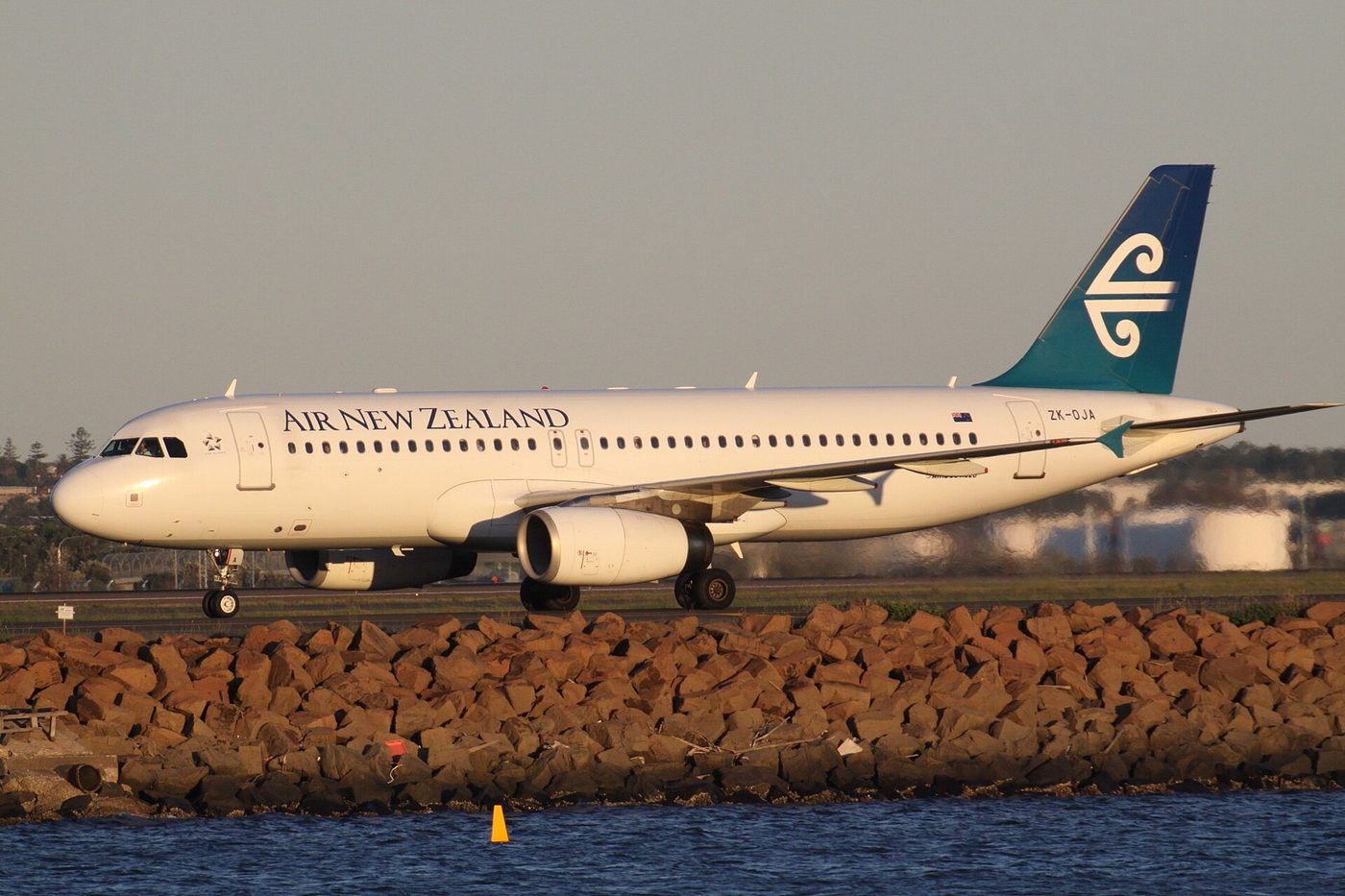
An official inquiry has found that passengers and crew took almost double the recommended safe time to evacuate an Air New Zealand plane after one of its engines caught fire in 2024. The Transport Accident Investigation Commission (TAIC) says the aircraft, flying from Christchurch to Wellington, landed safely once the fire broke out, but the evacuation that followed blew past the 90 second benchmark used worldwide to judge whether passengers can get out before a situation turns dangerous.
Chief investigator of accidents Louise Cook said the 90 second mark matters because "the risk to life increases exponentially" once an evacuation runs longer. In this case, part of the delay came down to something strikingly simple: many passengers carried their luggage with them on the way out, despite being told twice not to.
The report also traced the cause of the fire itself to a faulty turbine blade, and found engine manufacturer Pratt & Whitney Canada could have caught the fault earlier through its own quality checks.
The record
TAIC is the independent government body that investigates serious accidents and incidents across aviation, rail and maritime transport in New Zealand, and its findings typically lead to formal safety recommendations rather than penalties. This report examined what happened after an engine fire broke out on an Air New Zealand flight during 2024, just before landing in Wellington.
The captain landed the aircraft safely and then ordered an evacuation. The 90 second standard TAIC applied is a widely used aviation benchmark for how quickly a full aircraft should be able to empty in an emergency, on the basis that fire, smoke or fuel risks escalate sharply the longer people remain on board or near the aircraft.
According to the report, of the 27 passengers who used the two forward exits, 19 took their luggage with them. Cook said this happened despite passengers being told not to bring bags both during the standard pre-flight safety briefing and again while crew were actively directing the evacuation.
TAIC has recommended Air New Zealand improve how it delivers passenger safety briefings. Separately, it has recommended Pratt & Whitney Canada strengthen its quality assurance processes for engine overhauls, after concluding the faulty turbine blade that caused the fire should have been identified.
What doesn't add up
The report raises a genuine puzzle: passengers were told not to take luggage twice, in a formal briefing and in the moment by crew, and most of those using the forward exits did it anyway. TAIC does not say why so many people ignored that instruction, whether through panic, disbelief about the urgency, or simply not registering the message in the first place.
That gap matters because it goes to the heart of TAIC's own recommendation. If the problem is that briefings are not clear enough, better wording or delivery might fix it. But if the problem is that people in a real emergency do not process or follow instructions the way they are meant to, no amount of rewording guarantees a different outcome next time. The article does not say which explanation TAIC believes is more likely, or whether it tested that question at all.
It is also not clear from the report how much of the delay beyond 90 seconds is directly attributable to the luggage issue specifically, versus other factors in the evacuation. Cook's comments link the two, but no breakdown of the total evacuation time against each contributing cause is given.
On the engine side, the finding that Pratt & Whitney Canada could have caught the faulty turbine blade during its own quality checks is a serious one. The article does not detail what those checks involved, how the fault was missed, or whether this is an isolated failure or a pattern the manufacturer has seen before.
The other side
Air New Zealand's chief safety and risk officer, Nathan McGraw, said the airline accepts the findings and has already made changes to training, procedures and the passenger safety information it provides. He acknowledged the evacuation "took longer than we would want," while pointing out that "real-world evacuations involve uncertainty, time pressure and different passenger responses."
McGraw also thanked the crew for landing the aircraft safely and carrying out the evacuation, framing the incident as one that ended without the outcome that slow evacuations are meant to guard against, even as he accepted the process itself needs work.
Pratt & Whitney Canada's response to the recommendation about its quality assurance processes is not included in the article.
What happens next
TAIC's recommendations are not binding orders, but they carry weight and are typically followed up publicly to show whether an organisation has acted on them. Air New Zealand says changes are already under way to briefings, training and procedures, which suggests the airline is not waiting for a formal deadline to respond.
Pratt & Whitney Canada has been asked to improve quality assurance around engine overhauls, though the article does not say by when, or how TAIC will confirm that has happened. Passengers and crew on future flights will be the real test of whether clearer briefings change behaviour in an emergency, or whether the instinct to grab a bag proves harder to override than a announcement can manage.
Is this mainly on the airline for how clearly it briefs passengers, or on passengers for not following instructions in an emergency?
Have your say on Facebook →This story is based on reporting by RNZ.
Read the original report →Our news is free for everyone. If it helps you, chip in to keep it independent.
Support us