
Tribunal finds Crown had no plan after axing Māori health authority
An 18 month gap, no meaningful consultation, and a finding of 'reckless disregard'.
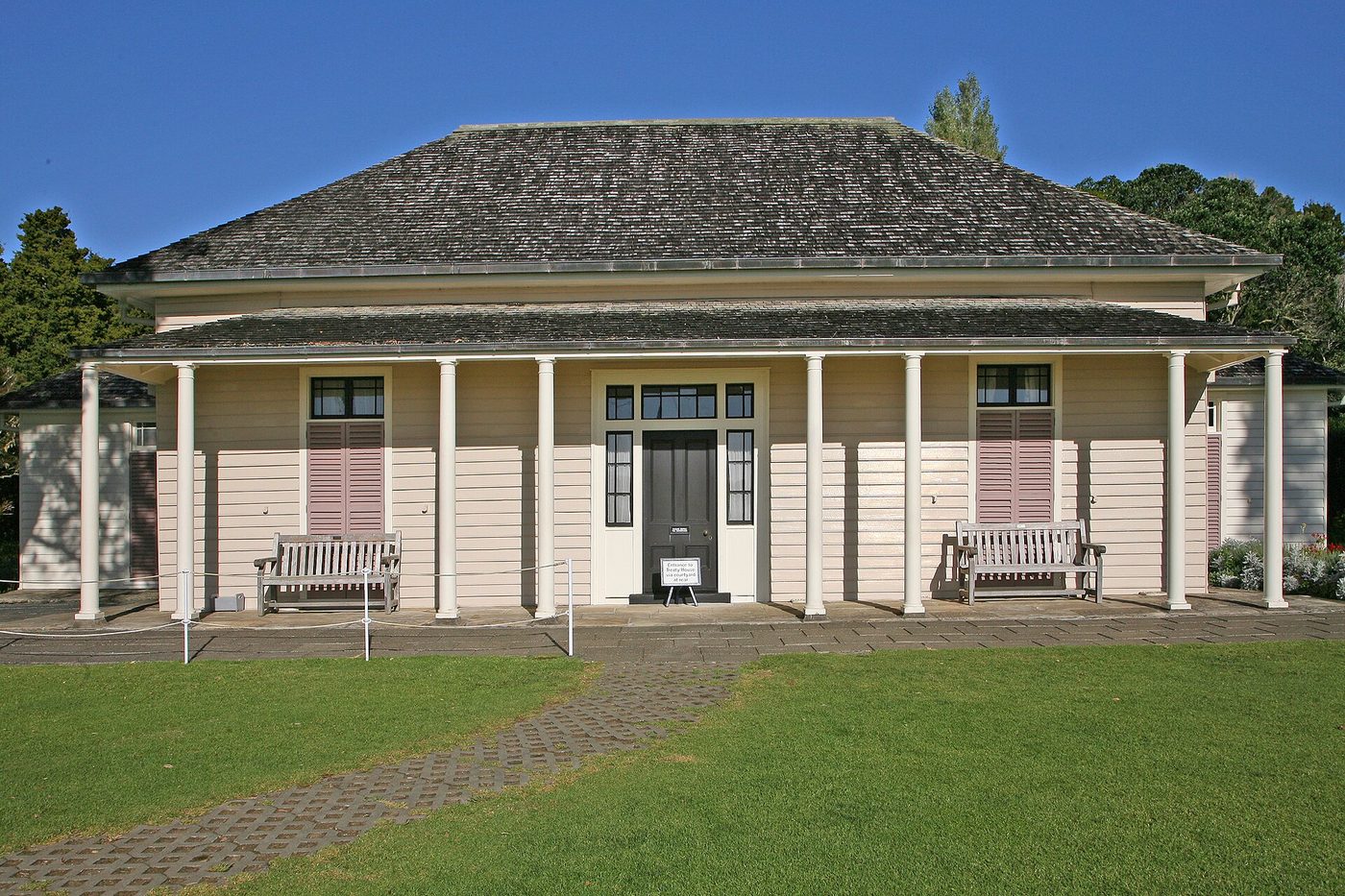
The Waitangi Tribunal has found the Government had no clear alternative plan for Māori health when it disestablished Te Aka Whai Ora, the Māori Health Authority, in early 2024. The finding comes in the second part of the Tribunal's Hautupua report, released on Friday, which examined what the Crown put in place after scrapping the authority.
The Tribunal found the Crown failed to properly inform Māori about its alternative plans, failed to consult adequately, and failed in its duty of active protection of Māori health interests. It repeated an earlier finding that the Crown had shown "reckless disregard for the Crown-Māori relationship" and recommended the Government revisit the idea of a stand-alone Māori health authority.
This matters because Te Aka Whai Ora was one of the most contested pieces of the health system in recent years, and its removal was one of the coalition Government's earliest and most visible acts. The Tribunal's report goes to the heart of a basic accountability question: if you scrap something, what do you replace it with, and did you tell the people affected what that replacement actually was.
The record
Te Aka Whai Ora was disestablished as part of the Government's 100-day programme. The Pae Ora (Disestablishment of the Māori Health Authority) Amendment Bill was introduced under urgency in February 2024. Then Health Minister Dr Shane Reti said at the time the Government wanted to pursue "a different dream" for Māori health, with more decision-making and care delivered closer to home and hapū.
The Waitangi Tribunal is a standing commission of inquiry that hears claims about Crown breaches of the Treaty of Waitangi. In this inquiry it found the Crown told claimants, the Tribunal and the public for close to 18 months that alternative plans were being developed, but the Tribunal said those plans "did not materialise and were not reflected in Crown action" during that period.
It later found the Crown pointed to existing settings, including iwi-Māori partnership boards, the Ministry of Health, Health New Zealand, the Government Policy Statement on Health, the New Zealand Health Plan and the Hauora Māori Strategy, as its effective alternative. The Tribunal assessed these as the plan in question, but questioned whether they met the Crown's Treaty obligations.
The Tribunal also pointed to a Cabinet circular issued in September 2024 directing agencies to focus on "needs" rather than ethnicity, a shift it said was reflected in health targets moving from Māori-specific measures to total population measures.
What doesn't add up
The central gap the Tribunal identified is timing. For roughly 18 months, the Crown said a plan was coming. The Tribunal found no meaningful action toward Māori health equity happened in that window, then the Government told the Tribunal the plan had, in fact, already been in place. Which was it: forthcoming or already there? The Tribunal said telling Māori both things breached the principle of good government.
There is also an unexplained inconsistency in how reviews were handled. Te Aka Whai Ora was reviewed just 10 months after it was set up, while the Tribunal said the Government's position was that other system-wide health changes needed longer than a year before being reviewed. Why the shorter timeframe applied to the Māori health authority specifically is not addressed in the report.
The Tribunal also found iwi-Māori partnership boards were brought in only after decisions had already been made, calling it "more of a box-ticking exercise than any form of meaningful engagement with Māori". If consultation happens after the decision, what was actually consulted on? That question is left open by the record as reported.
RNZ said it had requested responses from Health Minister Simeon Brown and Mental Health Minister Matt Doocey. No response from either minister is recorded in the article, so what the Crown says about these specific findings is not yet known.
The other side
The Government's stated case for scrapping Te Aka Whai Ora, as set out by Dr Reti in 2024, was that it wanted a "different dream" for Māori health built around decision-making and care delivered closer to home and hapū rather than through a separate national authority. That rationale is on the public record even though the Tribunal did not accept that a clear alternative plan existed to deliver it.
Beyond that, the article records no Crown response to the specific findings of failed consultation, the review timing difference, or the "reckless disregard" finding. Responses from the current Health and Mental Health Ministers had not been received at the time of publication.
Dr Rawiri Jansen, former chief medical officer for the Māori Health Authority and a key witness in the inquiry, said it was a "real shame" the Government acted as it did, telling Midday Report: "They said they were going to have a plan, they didn't do any work on a plan. They said they had a plan, they did not have a plan." He said inequities needed to be fixed before a single system for all could work.
What happens next
The Tribunal has recommended the Crown commit to revisiting a stand-alone Māori health authority, consult extensively before making decisions on Māori health, and base decisions, particularly those addressing long-standing inequities, on robust evidence.
Waitangi Tribunal recommendations are not binding on the Government. What the Crown does with them, and whether Ministers respond to the specific findings once they do, will be the next thing to watch. So will whether the health targets and Cabinet direction toward "needs" based rather than ethnicity based policy remain unchanged following this report.
Should Māori health run through a dedicated authority, or be folded into one system for everyone?
Have your say on Facebook →This story is based on reporting by RNZ.
Read the original report →Our news is free for everyone. If it helps you, chip in to keep it independent.
Support us