
Ministry probes serious concerns over college leadership
More than a dozen staff and community members wrote to officials about Horowhenua College's governance.
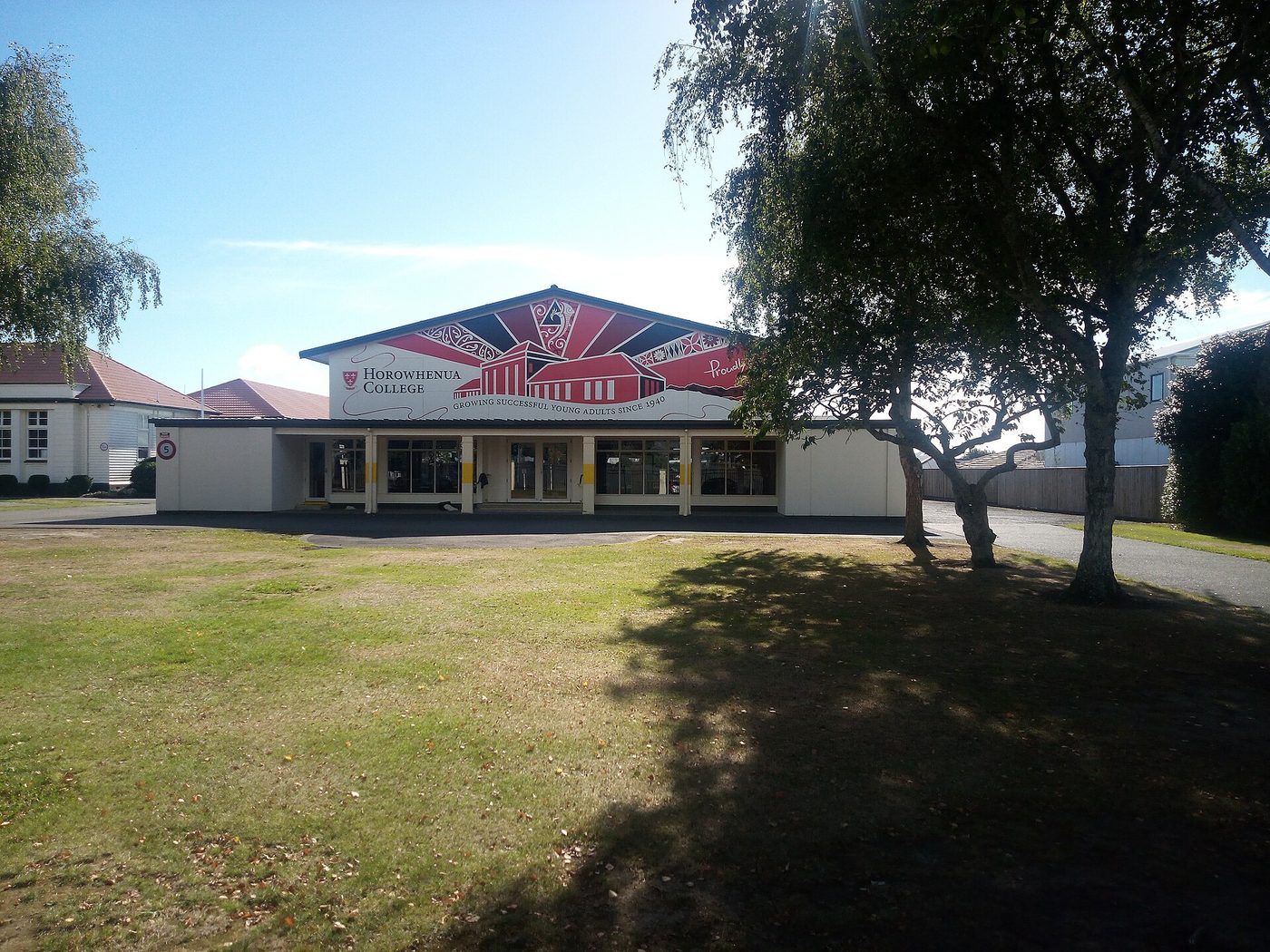
The Ministry of Education has confirmed it is investigating "serious concerns" about leadership and governance at Horowhenua College, after Stuff reported that more than a dozen staff and community members wrote to the ministry and the Teaching Council raising the alarm.
The letter, sent to the Teaching Council on 16 September, has triggered parallel processes at two separate agencies. Ministry staff met with the college principal and the presiding board member this week as they begin working through what has been reported. Neither the ministry nor the Teaching Council will say what the concerns actually involve.
The college's presiding board member, Juliana Mansvelt, says the school has not received any formal complaint directly, and that the board takes its duty to provide a safe workplace and sound governance "very seriously". Why it matters is straightforward: when a group of this size feels it has to bypass the school and go straight to outside regulators, it raises questions about whether the college's own complaints system is trusted to deal with problems internally.
The record
Schools in New Zealand are legally required to provide safe workplaces, and boards are responsible for the overall governance and performance of the school under education legislation. The Teaching Council, the professional body for registered teachers, has a statutory process for handling concerns about individual teachers, but Council chair Patrick Walsh says matters about "school culture, leadership and governance" fall outside its mandate and are passed to the ministry instead.
That is what appears to have happened here. The Teaching Council received the letter on 16 September and is considering it "through the council's statutory process". The ministry, which oversees schools through its regional offices, has now stepped in and met with college leadership within days of the letter surfacing publicly.
This is not the college's first brush with scrutiny this year. In July, a teacher who had previously been the school's language dean was dismissed after an internal investigation upheld concerns about his conduct towards a student. That dismissal predates the September letter, and RNZ's report does not draw a direct link between the two, but it forms part of the backdrop against which the new concerns have landed.
What doesn't add up
The most obvious gap is the biggest one: nobody involved, not the ministry, not the Teaching Council, not the board, will describe what the "serious concerns" actually are. That leaves the public unable to judge whether this is about a specific decision, a pattern of behaviour, financial or operational governance, or something else entirely.
There is also a mismatch worth noting. Mansvelt says the school has not received any formal complaint directly, yet more than a dozen people apparently felt the need to go around the school to two outside agencies at once. That raises a question the article does not answer: did those staff and community members raise concerns with the college first and feel unheard, or did they judge from the outset that going straight to the ministry and Teaching Council was the only path likely to get results?
The timing also invites a question nobody has addressed on the record. Does the July dismissal of a teacher, upheld after an investigation into conduct towards a student, have any bearing on the governance concerns raised two months later? The reporting does not say either way, and both the ministry and the Teaching Council have declined to discuss detail while their processes are under way.
The other side
Mansvelt's response, on the board's behalf, is measured and points to established process rather than denial. She says the board is "aware that concerns have been raised with the Ministry of Education and are working with the Ministry while these matters are being looked into," and that it would not be appropriate to comment further while that work continues.
She also stresses that the board regularly seeks independent governance advice, and that any concerns raised directly with the school would be managed through its own complaints process. Her invitation for "anyone with feedback or concerns" to get in touch suggests the board sees an accessible internal channel as already available, whatever the letter's authors concluded.
The ministry's acting director of education for Greater Wellington, Te Rangipai Renata, has taken a similarly careful line, saying staff are "assessing the information provided and working through our usual processes" and that it is important to "establish the facts and give those involved an opportunity to respond before reaching any conclusions." That is a standard, fair-process position, though it means the public will likely wait some time for any detail.
What happens next
Two clocks are now running in parallel. The Teaching Council is considering the letter through its statutory process, which can lead to findings about individual registered teachers but explicitly excludes broader governance and culture issues. The ministry's inquiry, run through its Greater Wellington regional office, is the one that will actually test the leadership and governance concerns raised in the letter.
Both bodies have declined to give a timeline. Until either process concludes, or the college, ministry or Teaching Council chooses to release more detail, the specifics of what more than a dozen staff and community members are alleging will remain unknown to the public.
When a dozen or more staff and community members feel they need to go over a school's head to outside agencies, is that the complaints system failing, or the system working exactly as it should?
Have your say on Facebook →This story is based on reporting by RNZ.
Read the original report →Our news is free for everyone. If it helps you, chip in to keep it independent.
Support us