
NZ First vows to scrap the Waitangi Tribunal
Winston Peters says a new commission would take over, reviewing only claims filed before 2008.
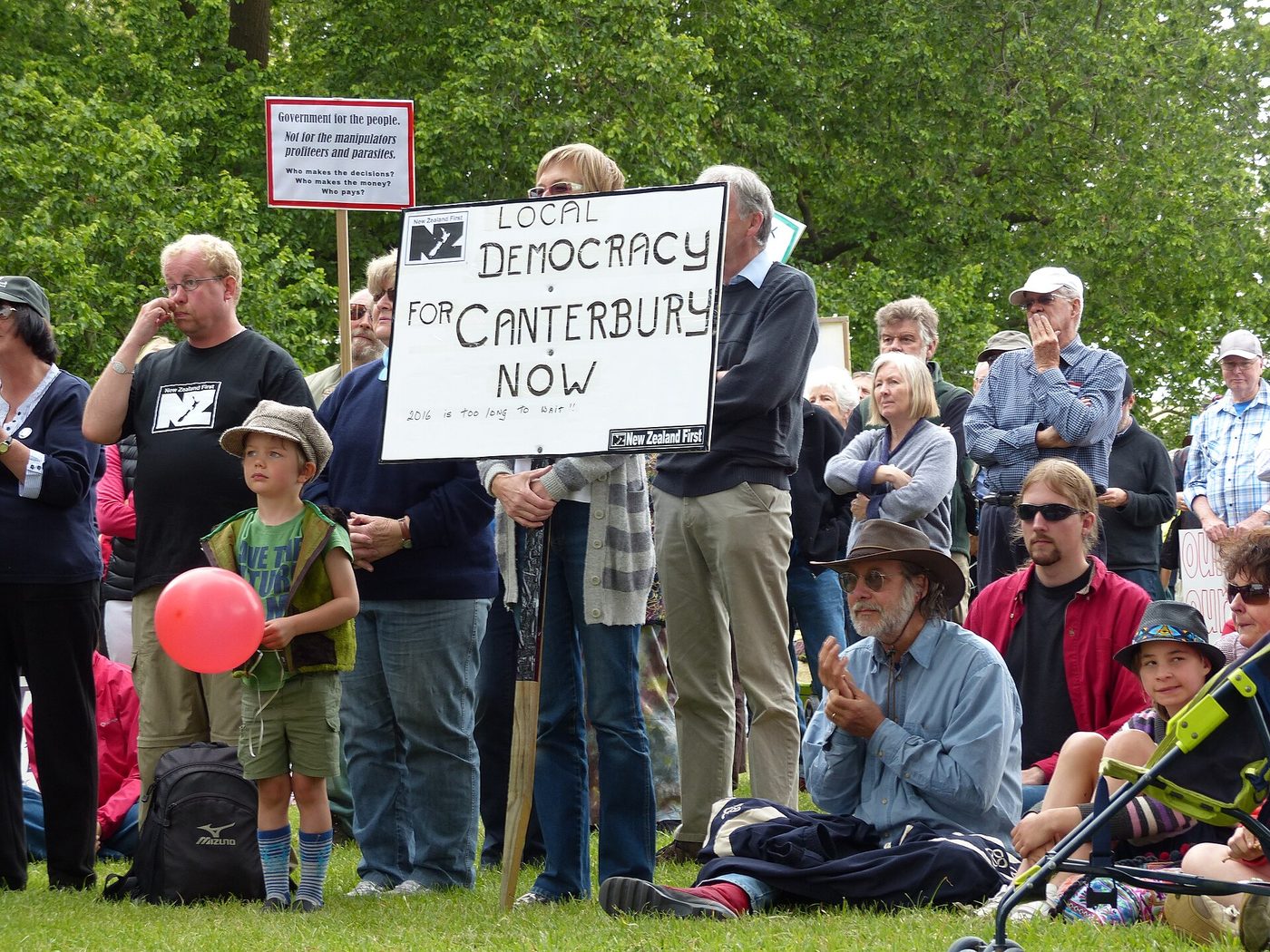
NZ First says it would "immediately abolish" the Waitangi Tribunal if it is part of the next government, replacing it with a new body designed to finish the country's historical Treaty claims and then close its doors.
Party leader Winston Peters announced the policy at a public meeting at Holy Trinity Church in Tauranga on Saturday afternoon, calling the Tribunal a "make-work organisation" that is no longer fit for purpose.
"The Treaty of Waitangi industry jobs will be replaced by real work," Peters said. "The days of the Waitangi Tribunal acting as an authority of parliament will be over."
The plan
In place of the Tribunal, NZ First would create a Treaty of Waitangi Completion Commission. Its job would be to review all claims lodged before 2008, "after which time its work will be finished".
Everything else would move to a "strengthened" Ministry of Māori Development. Peters said it would take responsibility for current and future Treaty issues and Crown-Māori relations, "as it once was in 1991", including contemporary claims, modern policy differences and post-settlement leadership.
He said the Ministry would also make sure Māori-owned land, marine farming, forestry and other resources "continue to enhance regional productivity, employment and community resilience".
The party says it would table the legislation within its first 100 days in government, and that the change would let New Zealanders remain "equal citizens with equal rights".
The record
The Waitangi Tribunal was set up under the Treaty of Waitangi Act 1975 as a standing commission of inquiry. It hears claims that the Crown has breached the principles of the Treaty and reports on them.
In 1985 its reach was extended back to 1840, which opened the door to historical claims. Parliament later set a cut-off: historical claims, those about Crown actions before 21 September 1992, had to be lodged by 1 September 2008. That is where the 2008 line in NZ First's plan comes from.
Most of the Tribunal's findings are recommendations. The Government of the day decides whether to act on them, and Treaty settlements are negotiated directly with the Crown, not by the Tribunal. It holds binding powers only in narrow cases involving certain Crown forest land and former state-owned enterprise land.
The Ministry of Māori Development Act 1991 created what is now Te Puni Kōkiri, which is the 1991 reference in Peters' speech.
The catch
The biggest open question is what happens to claims about the present day. The Tribunal does not only deal with history. It also hears contemporary claims about current policy, often under urgency.
Just this week the Tribunal found the Crown had no clear plan for Māori health after scrapping Te Aka Whai Ora, the Māori Health Authority. Under NZ First's plan, a finding like that would move to a government ministry, which reports to the same ministers whose decisions are being challenged. Supporters would call that ending a parallel authority. Critics would call it removing an independent check.
NZ First is not alone. ACT said on 10 September that it would abolish the Tribunal once historical claims are completed. The two parties differ on timing: NZ First says "immediately", while ACT ties it to the historical work being done.
Any change would need a majority in Parliament, so the policy's fate depends on the election result and on coalition talks. How other parties and iwi respond had not been reported when this story was published.
Why it matters
New Zealand votes on 7 November. The Tribunal has sat at the centre of Treaty politics for half a century, and two parties that could help form the next government now want it gone. Voters will be deciding whether that is overdue housekeeping or a step back from a system many see as a core part of how the Crown answers for its promises.
Should the Waitangi Tribunal be replaced, reformed or left alone?
This story is based on reporting by 1News.
Read the original report →Our news is free for everyone. If it helps you, chip in to keep it independent.
Support us