
Labour vows to wipe 10% off student loans
$583 million policy launched at campaign kickoff, rivals call it a bribe on the taxpayer
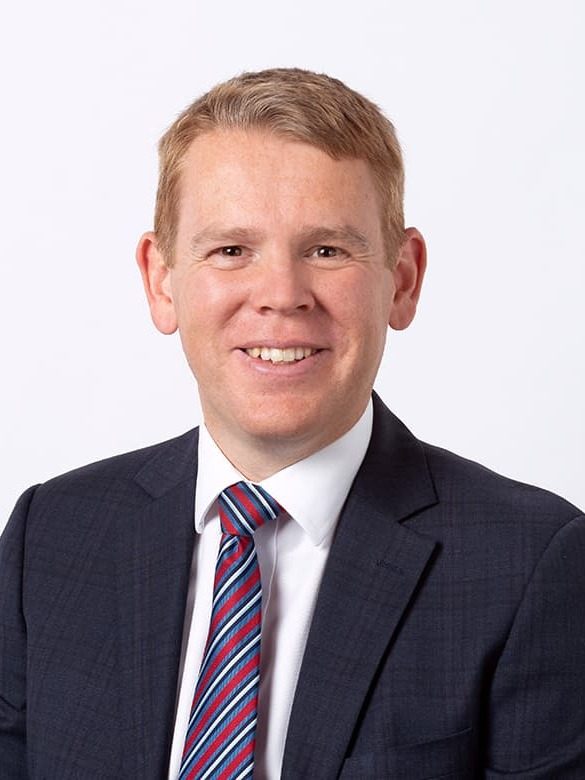
Labour has promised to write off 10 percent of eligible student loan balances, in a policy the party says would cost $583.4 million over five years and put more money in graduates' pockets. Leader Chris Hipkins unveiled the pledge at Labour's campaign launch at the Due Drop centre in Manukau on Sunday, framing it as a way to help nurses, healthcare workers, electricians and social workers build a life in New Zealand rather than head overseas.
The promise lands early in what is shaping up as a long and expensive election campaign, with parties already trading numbers on who can and cannot afford their commitments. Student debt affects a large share of working-age New Zealanders, so a policy that touches loan balances directly is likely to resonate, and to draw scrutiny over how it would actually be paid for.
The record
Under Labour's policy, 10 percent would be wiped from the balances of current and future graduates who are New Zealand-based for tax purposes, did not benefit from the fees free scheme, and still had a loan to repay after finishing their study. Loans left with $2000 or less would be cancelled entirely.
The fees free scheme, which covers a year of tuition for many students, was introduced by the previous Labour government in 2018. Anyone whose fees were already covered by that scheme would not qualify for the new write-off, since the policy is aimed at graduates who did not get that earlier support.
Labour says the $583.4 million cost is spread over five years, with the bulk falling in the first year. That is because historical fees, meaning loan balances already built up, would be forgiven in one go on 1 April 2027. The write-off only applies to people who have completed their studies, not those still enrolled.
Announcing the policy, Hipkins said "student debt can follow people for years, making it harder to save for a home, start a family or simply get ahead." Tertiary education spokesperson Shanan Halbert said graduates "should not have to spend years watching their student loan barely move."
What doesn't add up
The article does not say how the $583.4 million would be funded. No tax change, savings measure or borrowing plan is mentioned in Labour's announcement, leaving open the central question of where the money comes from.
It is also unclear how many people would actually benefit from the write-off, or what the average dollar saving per graduate would be. Without those figures, it is hard to judge whether the policy is mainly a modest boost for people close to paying off their loans, given the $2000 clearance rule, or a larger transfer to those with bigger balances still owing.
The eligibility rule excluding anyone who benefited from fees free also raises a practical question: how would Inland Revenue or the Ministry of Education determine, loan by loan, who did and did not receive fees free support, and how quickly could that be done before the 2027 payout date.
National's Simeon Brown argued the policy "shifts the debt onto taxpayers" and would mean "either higher taxes or more borrowing," while suggesting "tradies, farmers, truck drivers and other working Kiwis" would end up subsidising higher earners with large loans, including lawyers. The article gives no response from Labour to that specific claim about who ultimately benefits most from a flat 10 percent cut, which would remove a larger dollar amount from bigger loans than smaller ones.
The other side
Labour's case, as put by Hipkins and Halbert, is that persistent student debt makes it harder for graduates to save for a home, start a family or get ahead, and that trimming balances gives people, in Hipkins' words, "a bit more breathing space." Halbert framed it as recognising graduates who "have done the hard work to get a qualification."
The opposing case comes from National and ACT. Brown, National's campaign chair, pointed to what he called "more than $18 billion in new spending promises" already stacking up this campaign, and said the write-off amounts to "another handout from Chris Hipkins" funded by ordinary workers.
ACT leader David Seymour was blunter, calling the policy "a bribe" and saying Labour "could not say how the bill would be paid." He argued that "paying down debt and returning to surplus is job number one for any Government serious about unlocking New Zealand's potential," and that the country needs "a smaller, more efficient government that focuses every dollar on results."
The article does not include any reply from Labour to Brown's or Seymour's specific costings criticisms, so it is not clear whether the party disputes the $18 billion figure or has a separate funding plan it has not yet detailed.
What happens next
The policy would not take effect immediately. The bulk of the cost is tied to a single forgiveness date, 1 April 2027, meaning it would only be delivered if Labour wins the election on 7 November 2026 and follows through in government.
Between now and then, expect further questions from opposing parties and commentators about funding, eligibility and who gains most from a flat percentage cut. Voters will also be weighing this promise against other spending commitments as parties release more policy through the campaign, and against the broader argument, made by Brown and Seymour, about the state of the government's books.
Whether the numbers behind the policy, including who qualifies and how it is paid for, are spelled out in more detail before election day is something worth watching as scrutiny of every party's costings intensifies.
With more spending promises likely as the campaign runs on, is writing off student debt a fair way to help graduates get ahead, or an unaffordable handout that everyone else ends up paying for?
Have your say on Facebook →This story is based on reporting by RNZ.
Read the original report →Our news is free for everyone. If it helps you, chip in to keep it independent.
Support us