
National, Labour launch campaigns as election tightens
Rival Auckland events today kick off six weeks of campaigning in what looks like a knife-edge race.
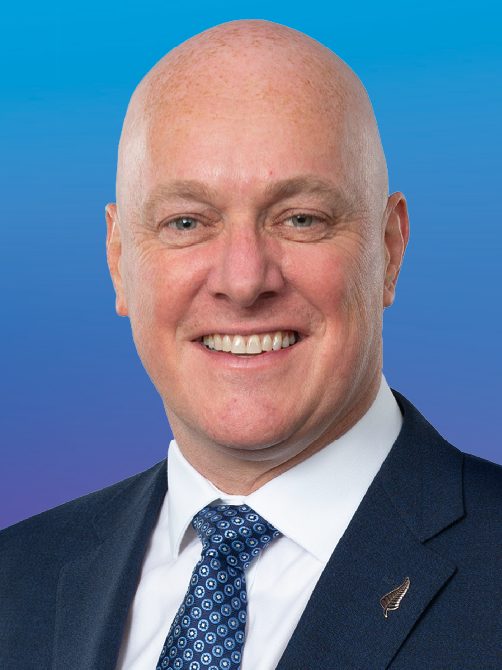
National and Labour both launched their election campaigns in Auckland today, National in the city centre and Labour in South Auckland, kicking off six weeks of campaigning before New Zealanders vote on 7 November 2026.
Campaign launches are usually rallying events for the party faithful, and both parties are expected to unveil new policies today. But the bigger story may be what a fresh Ipsos Issues Monitor, released this week, says about how little either party has convinced voters it can handle the problems that matter most to them.
That survey found the top five concerns for New Zealanders are the cost of living, healthcare, the economy, unemployment and housing. Labour is still seen as the party most capable of managing all five, but its ratings fell on every single measure, narrowing its lead over National on all but the cost of living. National's numbers on the cost of living and the economy also slipped, even as it made modest gains on health and housing and held steady on unemployment.
The record
Today's dual launches set the terms for the next six weeks of the campaign. National's event in central Auckland may show whether leader Christopher Luxon plans to go on the attack against Labour or lean on National's record in government and its promise to "build the future". Labour's launch in South Auckland gives leader Chris Hipkins a chance to lift the tempo, after his first public meeting of the campaign just two weeks ago.
At that meeting Hipkins told the crowd he was "just getting warmed up." The event was interrupted at least four times by hecklers from Brian Tamaki's Freedoms Party, but the crowd drowned them out, and Hipkins thanked supporters for having his back.
There is a useful comparison point in National's last campaign launch, in 2023. That event came with no new policy at all. Instead National released a "pledge card" listing eight priority promises, including lowering inflation, growing the economy, restoring law and order and lifting school achievement.
What doesn't add up
The Ipsos figures raise an obvious question neither party has yet had to answer in public: if Labour is still rated the most capable on every one of the top five issues, why is that lead shrinking almost across the board, and what does the party think is driving it? The Issues Monitor does not say, and neither leader has been asked to explain the trend in what's reported here.
There is a matching gap on the other side. National's own numbers fell on the cost of living and the economy, the two issues voters consistently rank as most urgent, even while it gained ground on health and housing. That is an uncomfortable split for a party asking to be trusted with the household budget and economy, and it is not clear from today's coverage what National intends to say at its launch to close that gap.
There is also a real question about substance. National's 2023 launch offered no policy at all, just a list of pledges. If today's launch follows that pattern again, voters are left to judge a headline rather than a plan. It is not yet known, going into today's events, whether either party will offer costed, detailed policy or another round of broad promises.
The other side
The clearest response so far to criticism during the campaign has come from Hipkins, who framed the heckling at his first meeting as something the crowd, not the party, dealt with, thanking supporters rather than engaging with the protesters directly. That is a reasonable way to handle disruption at a public event without escalating it.
For National, the fairest reading of today's launch is that it is being billed as a chance to either defend a governing record or set out a forward-looking pitch, "build the future," rather than simply repeat old attack lines. Whether Luxon chooses attack or record will itself be read as a signal of how confident the party is feeling with six weeks to go.
Both parties can also point to strengths in the Ipsos data. Labour remains the party voters see as most capable across all five top issues, even after its decline. National can point to genuine gains on health and housing, two areas where governments are frequently judged harshly.
What happens next
The real test starts now. With six weeks until the 7 November 2026 election, both parties will be judged on whether today's launches produce policy that actually speaks to the cost of living, health, the economy, jobs and housing, the five issues voters themselves have flagged as top priorities.
Further polling, including future Ipsos Issues Monitor surveys, will show whether either party's launch shifts public confidence on those measures. Voters will also be watching whether National repeats its 2023 approach of promises without policy detail, or whether this time both major parties come to their launches with something more concrete to defend on the campaign trail.
With trust wobbling on both sides, which of the five big issues, cost of living, health, the economy, jobs or housing, will actually decide your vote this election?
Have your say on Facebook →This story is based on reporting by RNZ.
Read the original report →Our news is free for everyone. If it helps you, chip in to keep it independent.
Support us