
Watchdog says bid-rigging costs taxpayers $360m a year
Commerce Commission makes public procurement cartels a top enforcement target
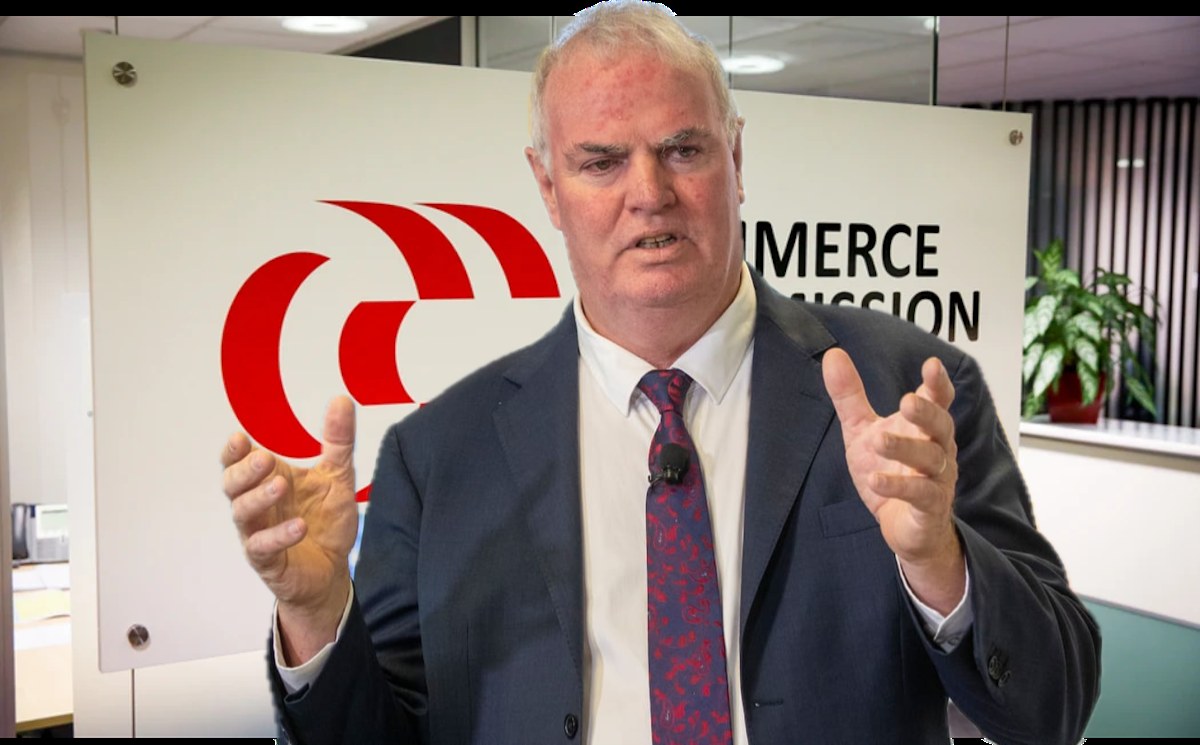
The Commerce Commission says illegal bid-rigging in public procurement is costing New Zealand taxpayers around $360 million a year, as the regulator declares cartel activity in government contracting a specific enforcement priority.
Commission chair Dr John Small delivered a blunt warning to anyone involved: "we're coming for you." He said the watchdog takes "an extremely dim view of any illegal activity that rips off taxpayers."
The stakes are large. Government agencies spend about $51.5 billion a year buying goods and services, meaning even a small slice lost to rigged bidding adds up fast, and it is public money, not private, that is affected when procurement is manipulated.
The record
Bid-rigging is a form of cartel conduct, defined by the Commission as an agreement among bidders about who should win a contract. Cartel behaviour, including price fixing, market allocation and bid-rigging, is prohibited under New Zealand's competition law and has carried criminal penalties, including potential jail time, since cartel conduct was criminalised in 2021.
The Commission says it is not only watching procurement. It points to ongoing actions in the real estate and grocery sectors, and to cases concluded last year involving customer allocation and price fixing in the courier sector and bid-rigging on public roading contracts.
To find cartels, the Commission relies on two main tools it says are generating "very strong leads": an anonymous reporting tool for the public and a leniency programme for those inside a cartel. Under leniency, the first party to come forward can receive immunity from criminal prosecution and leniency from civil proceedings, potentially avoiding both jail time and financial penalties. The Commission also runs an educational outreach programme aimed at helping businesses and procurement staff understand what is and is not lawful.
What doesn't add up
The $360 million figure is striking, but the Commission has not published how it was calculated, over what period, or which contracts or agencies it covers. Without that detail, it is hard for taxpayers to judge whether it is a precise estimate or a broad modelled figure.
Dr Small says investigations are "currently ongoing" into public procurement, but the Commission has not said how many, in which agencies, or how long they have been running. That makes "we're coming for you" a strong statement of intent rather than a specific claim that can be tested against outcomes.
There is also a tension worth sitting with. The Commission describes bid-rigging as ripping off taxpayers and says it takes "an extremely dim view" of it, yet its own leniency scheme allows the first company involved to walk away with no jail time and no financial penalty at all. That is a deliberate trade-off used by competition regulators internationally to break cartels open from the inside, but it does mean the toughest talk and the softest outcome can apply to the very same company.
Finally, the article gives no figures on how many prosecutions, settlements or penalties have actually resulted from cartel enforcement in procurement specifically, as opposed to the sectors, like courier services and roading, where cases have already concluded. Whether the $360 million estimate is expected to shrink as enforcement ramps up is not addressed.
The other side
The Commission's own position is set out plainly in Dr Small's comments: this is now a named enforcement priority, and the regulator says its detection tools are working, with the anonymous reporting tool and leniency programme both producing strong leads.
The strongest case for leniency, even though it is not fully spelled out in the Commission's statement, is implicit in how the scheme is described: cartels are secretive by nature, so offering the first person inside a way out is often the only realistic way regulators get evidence to act at all. A scheme with no reward for coming forward may catch fewer cartels, even if it feels tougher on paper.
The Commission also points to its educational outreach work as a preventative measure, aimed at stopping bid-rigging before it starts by helping businesses and procurement staff recognise unlawful conduct, rather than relying solely on after-the-fact enforcement.
What happens next
The Commission says its investigations into public procurement cartels are ongoing, though no timeline or outcomes have been announced. Enforcement action, if it follows, would go through the usual civil and criminal processes under competition law, with the Commission deciding whether to pursue prosecution once evidence, including any leniency applications, is assessed.
Watch for whether the Commission releases more detail on how the $360 million figure was reached, and whether any procurement-specific cases reach the same public conclusion as last year's courier and roading cartel cases. Anyone with information is being directed to the Commission's anonymous reporting tool, which the regulator credits with helping drive its current leads.
Should businesses caught rigging bids on public money face tougher penalties, or does the leniency scheme that helps expose them do more good overall?
Have your say on Facebook →This story is based on reporting by RNZ.
Read the original report →Our news is free for everyone. If it helps you, chip in to keep it independent.
Support us