
MBIE delays fix for sweltering new-build homes to 2031
Green Building Council calls the delay 'hugely alarming' as families endure 35C rooms for years.
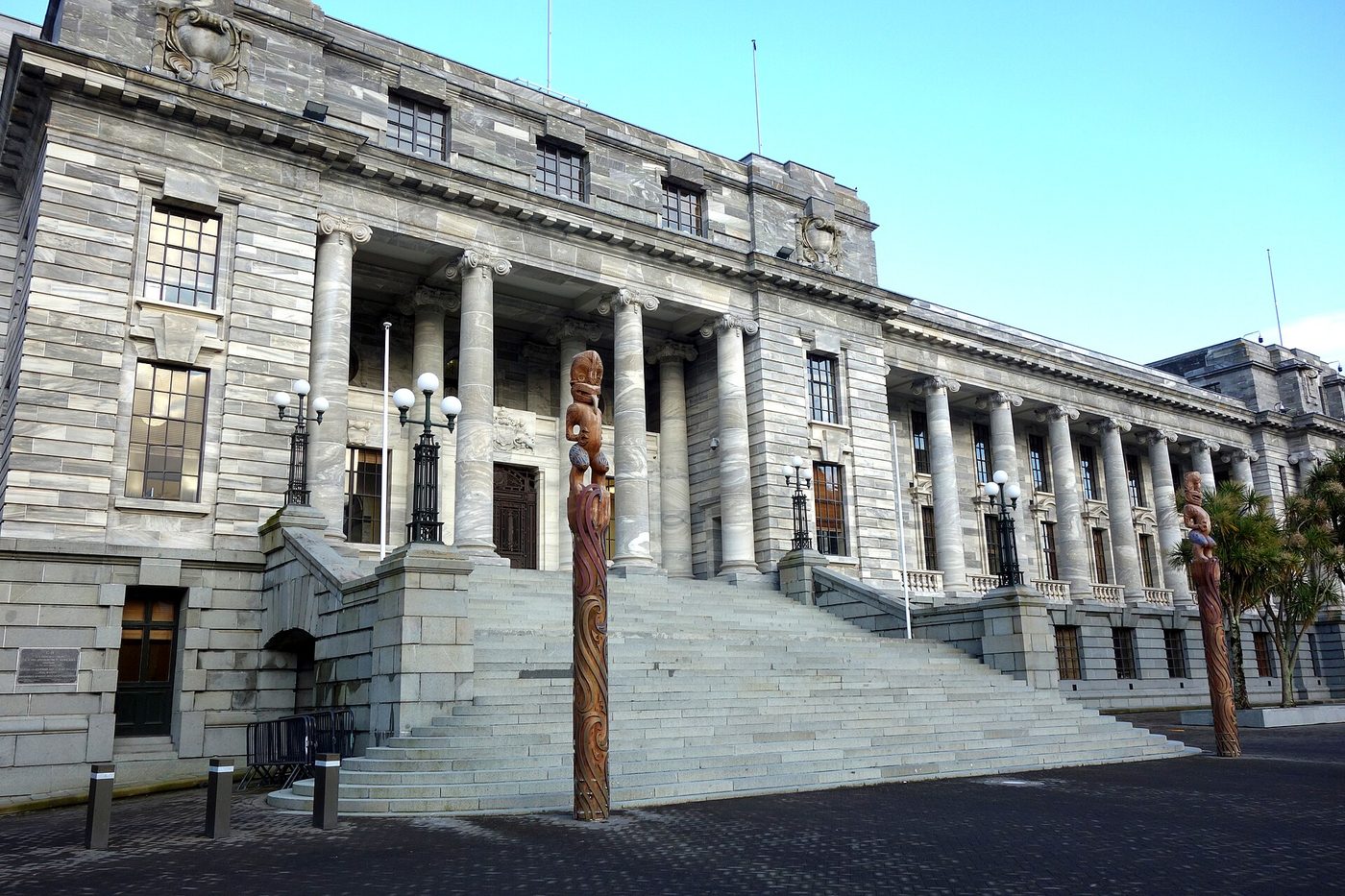
New Zealand's Building Code will go at least another five years without any rule to stop new homes overheating, after the Ministry of Business, Innovation and Employment (MBIE) confirmed the issue will not be part of its next scheduled review in 2028. Officials say it will instead be picked up in the following review in 2031.
The delay has dismayed the Green Building Council and the Building Research Association (BRANZ), both of which have been pushing for change as residents of newly built townhouses and apartments report bedrooms and living areas reaching dangerous temperatures in summer. The Building Code currently has no controls on overheating and no maximum indoor temperature.
For families like the Laidlaws in Auckland, who have spent thousands of dollars on air conditioning and even resorted to homemade foil window shades, the timeline means years more of the same. The question now is whether a fix that advocates say already exists needs to wait for a full regulatory overhaul, or whether something simpler could be brought in sooner.
The record
The Building Code sets the minimum standards new homes must meet and is administered by MBIE under the Building Act 2004. It is periodically reviewed and updated, with the next full review due in 2028.
Despite years of complaints about overheating in new-build townhouses and apartments, MBIE has confirmed this issue will not be addressed in that 2028 review. It will instead be considered in the review after that, in 2031.
Design features commonly linked to overheating, floor-to-ceiling windows, no eaves, minimal external shading and poor ventilation, have become standard in much of the recent wave of medium-density housing. Jared Laidlaw's Auckland townhouse, built with these features and facing west, has recorded upstairs temperatures around 35°C during the day since he and his family moved in at the end of 2021.
The Green Building Council and BRANZ have proposed an interim measure: requiring designers to run overheating modelling at the design stage, using software Andrew Eagles says is already in use by hundreds of firms around the country. If a design is projected to overheat, it would need to be adjusted before consent, for example by reducing glazing or adding shading.
What doesn't add up
MBIE's own explanation for the delay is that overheating is "a complex issue without a single fix" involving solar gain, shading, materials, ventilation, airtightness and orientation, and that any change needs thorough consultation to avoid "unintended consequences elsewhere in the building system." That is a reasonable general principle for a full regulatory package. What it does not explain is why a narrower, interim step, of the kind BRANZ and the Green Building Council are proposing, could not be introduced inside the 2028 review rather than left out of it entirely.
MBIE says it will provide "informal guidance" to designers and homeowners in the meantime. The article does not specify what that guidance will contain, when it will be issued, or whether it will have any binding effect on new consents. Until those details are public, it is unclear whether it offers renters and buyers any real protection between now and 2031.
There is also a gap between MBIE's stated preference to "consider every angle before implementing" changes and BRANZ's argument that regulation does not have to be perfect on day one. Stephen McNeil's point, that industry could be "taken on a journey" with staged measures capturing the riskiest buildings early, was not directly addressed in MBIE's written response as reported.
Finally, the scale of the problem remains undefined. The article does not say how many existing homes are affected, nor how many more are likely to be built to the same design specifications before 2031, though Laidlaw notes that townhouse construction is continuing at pace.
The other side
MBIE's position, set out by manager for building performance and engineering Dave Gittings, is that overheating cannot be solved with a single rule change. He said any modelling requirement would need more than a temperature limit alone, including sufficient industry capability to carry out the modelling, acceptance of the approach across the sector, and clear expectations for building consent authorities on what evidence to check and when specialist review is needed.
Gittings said the 2031 timing reflected the scale of the technical and policy work required, and that MBIE would offer informal guidance in the interim. This is a genuine attempt to explain why a rushed rule change could create problems elsewhere in the building system, a concern regulators are entitled to weigh against the urgency raised by advocates.
What happens next
The 2028 Building Code review will proceed without any overheating provisions, meaning new consents granted in the meantime will continue under the current rules with no maximum indoor temperature requirement. The overheating question will not formally return to the Code review process until 2031.
In the interim, MBIE says it will issue informal guidance for designers and homeowners, though details of its content and timing have not been announced. The Green Building Council and BRANZ are expected to continue pushing for an earlier, staged intervention, and it remains to be seen whether public pressure or further evidence of harm could shift MBIE's timetable before 2031 arrives.
Should regulators fast-track simple fixes now, or take the time to get comprehensive rules right?
Have your say on Facebook →This story is based on reporting by RNZ.
Read the original report →Our news is free for everyone. If it helps you, chip in to keep it independent.
Support us