
The Government's books are about to be revealed
Treasury releases the Pre-election Economic and Fiscal Update today, ahead of the election.
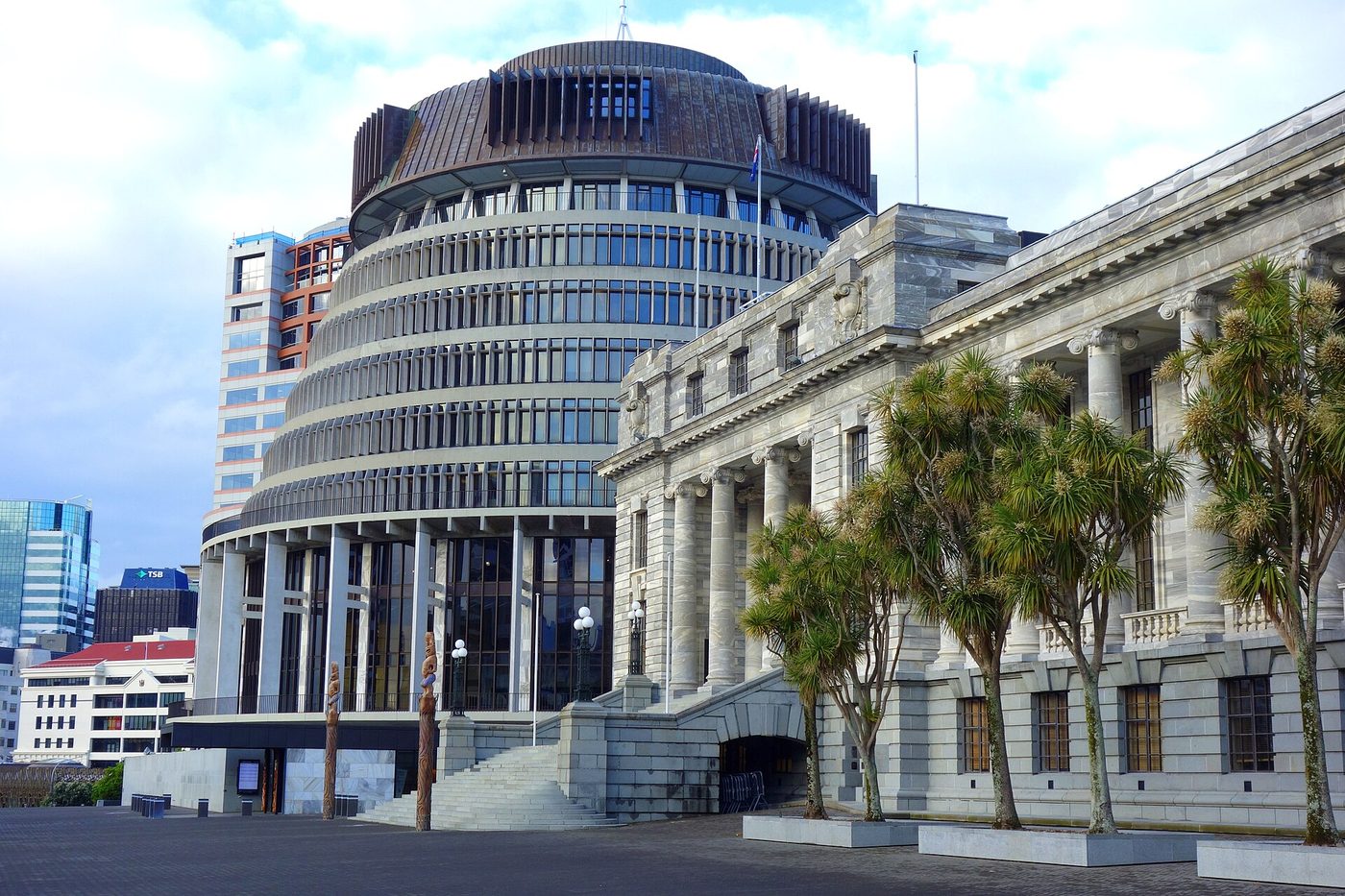
Later today, the Treasury will publish the Pre-election Economic and Fiscal Update, known as PREFU. It is the official snapshot of how the Government's books look just before New Zealanders vote on 7 November 2026. According to Stuff, it will show the state of the Government's finances ahead of the election.
That is all we know for certain about today's release. The figures themselves are not yet public, so nothing here should be read as a verdict on them. What we can do is explain what PREFU is, what to look for, and which questions deserve an answer once the numbers land.
The record
PREFU is a routine part of the election cycle, not a special favour. It is a Treasury document, released before a general election so that voters and parties are working from the same official picture of the economy and public finances. The requirement to produce a pre-election update comes from the Public Finance Act 1989.
It is a different thing from the Budget. A Budget is the Government of the day setting out its spending choices. PREFU is the Treasury's own assessment of where the books stand and where they are heading, based on the information it has at the time. The Government has announced policy since the last Budget, and parties across Parliament have been making promises ahead of 7 November, so the update is the first official check on the ground those promises are standing on.
What doesn't add up
The honest answer is that we cannot yet say, because the numbers are not out. But there are gaps worth watching for once they are.
First, how do the new forecasts compare with the previous ones? A single figure means little on its own. The useful question is what has changed since the last official forecast, and why. Is the Treasury explaining any movement by pointing to the economy, to government decisions, or to both?
Second, what is assumed and what is not? Official forecasts generally include the spending and revenue decisions already made. Promises that parties are making for the next term are a separate matter. Voters may want to ask which commitments, from any party, are and are not reflected in the numbers.
Third, which claims will be made on the back of the figures, and can they be tested? Governments tend to point to the parts of an update that look good. Opposition parties tend to point to the parts that look bad. Both can quote the same document accurately and still leave out something the other side considers important. The fair test is whether a claim matches what the Treasury actually says, not whether it suits a campaign.
Fourth, what will the update say about uncertainty? Forecasts are estimates, not promises. A reasonable question is how much the Treasury says the outlook could move, and what would cause it to.
The other side
Any government facing an unwelcome set of figures has a fair case to make. It can argue that forecasts are a snapshot rather than a destination, that global conditions are outside its control, and that its decisions should be judged on where they lead over several years, not on a single release weeks before an election. That is a legitimate argument, and it applies to whichever party is in office.
The same fairness applies in the other direction. If the figures look healthy, opposition parties can reasonably argue that a good headline number does not show who is carrying the cost, or whether the spending choices behind it are the right ones. Neither side should be handed the update as a trophy.
The Treasury's role also deserves a mention. PREFU is designed to be an official assessment, not a party document. That is part of why it carries weight, and why it is worth reading in the Treasury's own words when it is published, and not only through the politicians' summaries.
What happens next
The update is released later today. Expect ministers and opposition leaders to respond quickly, and expect each to draw a different lesson from the same pages. The more useful things to watch are the changes from earlier forecasts, the Treasury's explanation for them, and any risks it flags.
From there, the figures will feed into the remaining weeks of the campaign before 7 November. Parties will be asked whether their plans fit within what the Treasury has laid out, and how they would pay for what they promise. Those answers, more than the first day's headlines, are likely to tell voters something.
When the figures come out, should voters judge the Government on them, or is it more important to look at what each party plans to do next?
Have your say on Facebook →This story is based on reporting by Stuff.
Read the original report →Our news is free for everyone. If it helps you, chip in to keep it independent.
Support us