
Australia bans card surcharges today while New Zealand's ban stays stalled
Australian shops can no longer add a fee for card payments from 1 October. New Zealand's promised ban missed its May target, and the Government says only that more will be said in due course.
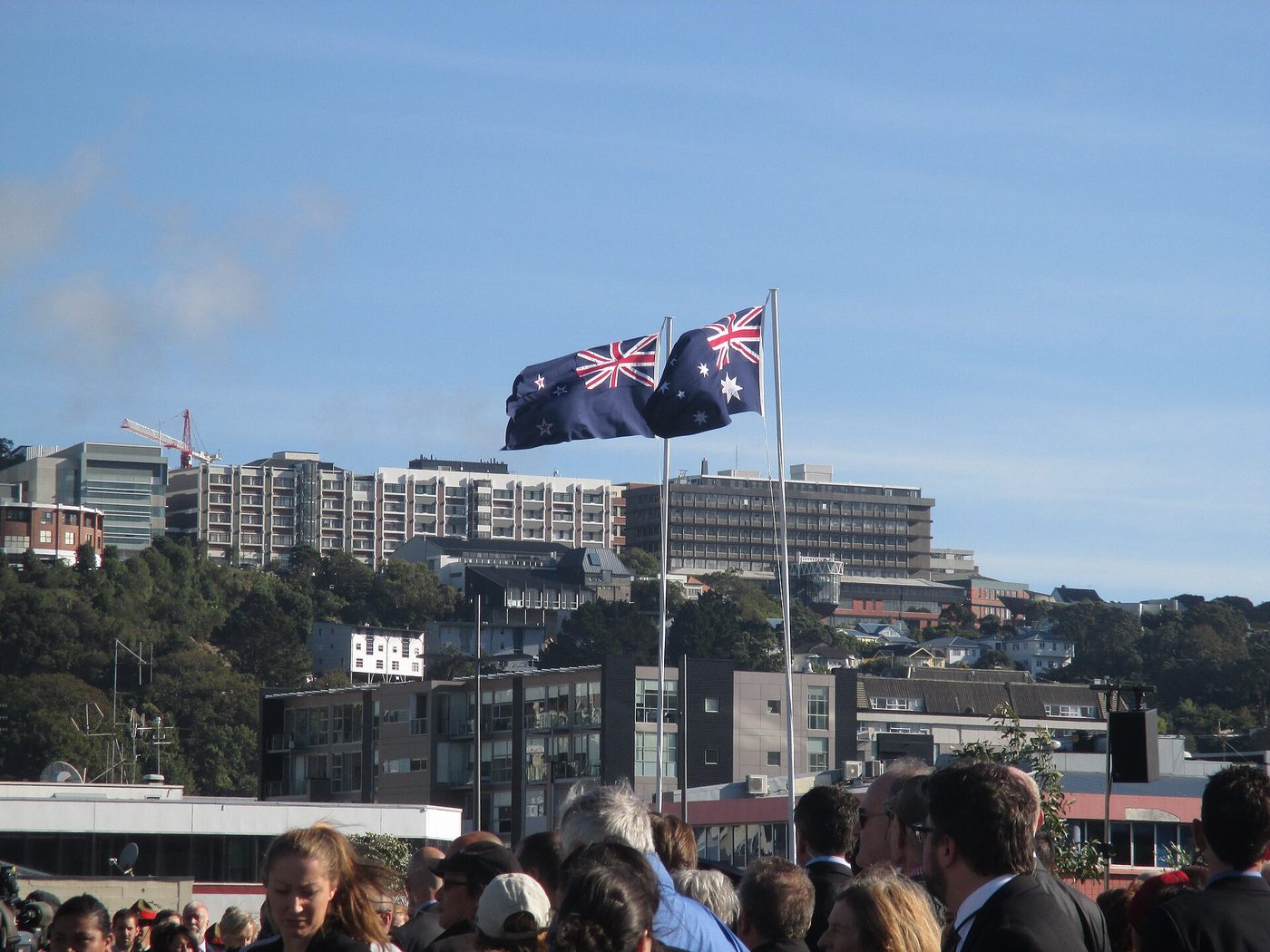
Australia's ban on credit and debit card surcharges took effect today, 1 October 2026. New Zealand's own promised ban has stalled, and the Government has not set a new date.
What happened
From today, Australian businesses can no longer add a surcharge to payments on eftpos, Visa or Mastercard debit, prepaid and credit cards. The Reserve Bank of Australia decided surcharging "no longer works as intended" because it has become hard for shoppers to avoid and is often poorly disclosed. It is also cutting the fees banks charge merchants. The cap on domestic consumer credit card interchange fees drops from 0.8 per cent to 0.3 per cent, and the debit cap falls from 0.2 to 0.16 per cent.
A New Zealand ban was announced last year, with restrictions intended to be in place by May. That date has passed. Commerce and Consumer Affairs Minister Cameron Brewer says National's intention is unchanged. "Work is continuing as we carefully consider the feedback received," he said, adding that there would be more to say on next steps in due course. He said Australia "has taken its own approach" and the Government would watch how it beds in.
What it means for you
Surcharges are still legal here. Current guidelines say they should be transparent, avoidable and not excessive, but they are guidelines, not a ban.
Consumer NZ says three in 10 New Zealanders rarely or never hear about a surcharge before they pay, and 49 per cent have paid one because they could not use a no-fee option. Its research found 58 per cent support or strongly support a ban. Only 21 per cent thought it fair for businesses to pass on card costs in July, down from 28 per cent in April, and 64 per cent said businesses should cover the costs.
Business trade-offs matter too. Retail NZ has opposed a ban, warning it could hurt small business and push up prices. Consumer NZ accepts businesses are under pressure. Its spokesperson Jessica Walker said that if firms raise prices to cover the lost surcharge revenue, it should be by 1 to 1.5 per cent, based on the Commerce Commission's estimates of what lower interchange fees will save them. In other words, a ban may mean slightly higher shelf prices, but with no surprise fee at the till.
Who is responsible
The ban is a Government commitment, and Brewer holds the portfolio. The Government points to the Commerce Commission's cuts to interchange fee caps, which it says will save businesses up to $290 million a year once fully in place. Brewer said lower payment costs "should mean a fairer deal for shoppers at the checkout". Nothing in the fee cuts requires businesses to drop surcharges.
Reporting by the B2B publication b2bnews says ACT withdrew its support, arguing a ban treats the symptom and not the cause. The Green Party supports a ban but says the Government bill has stalled. It wants a 1 per cent cap on merchant fees added, says Retail NZ has backed that, and says it has offered the Government its votes in exchange. Labour had been approached for comment by RNZ when it reported.
What happens next
No timetable has been announced. Australia's second stage, covering foreign card fee caps and fee transparency rules, starts on 1 April 2027, which will give New Zealand another data point. The election is on 7 November, so any change here is likely to depend on who forms the next government and what its coalition partners will accept.
Our take
A ban that was promised, given a date and then left to drift is a poor outcome for shoppers, whatever one thinks of the policy. Consumers were told something would change by May. Five months later they are still being charged fees at the till, with no explanation beyond "in due course".
The concerns from small businesses are real and deserve a proper answer. A café that pays high card fees should not be squeezed. But the Commerce Commission's fee cuts and Consumer NZ's 1 to 1.5 per cent estimate suggest the cost of a ban can be managed, which is what Australia has now tried.
The Government should say plainly whether the ban is going ahead, in what form and by when. Parties offering votes or amendments should be held to the same test, a clear position that shoppers and shopkeepers can plan around.
Original reporting by the Kiwi Desk. Every fact in this article comes from these sources. "Our take" is opinion.
- Review of Retail Payments Regulation, Phase 3 Conclusions Paper in Brief Reserve Bank of Australia
- Australia bans card surcharges - will we follow suit? RNZ
- Australia bans card surcharges - will we follow suit? 1News
- Australia bans card surcharges while NZ's ban stalls b2bnews
- Card surcharge lifts in Australia today - will New Zealand follow? NZ Herald
- RBA Surcharge Ban: What Changes 1 October 2026 Budgetly
Our news is free for everyone. If it helps you, chip in to keep it independent.
Support us